
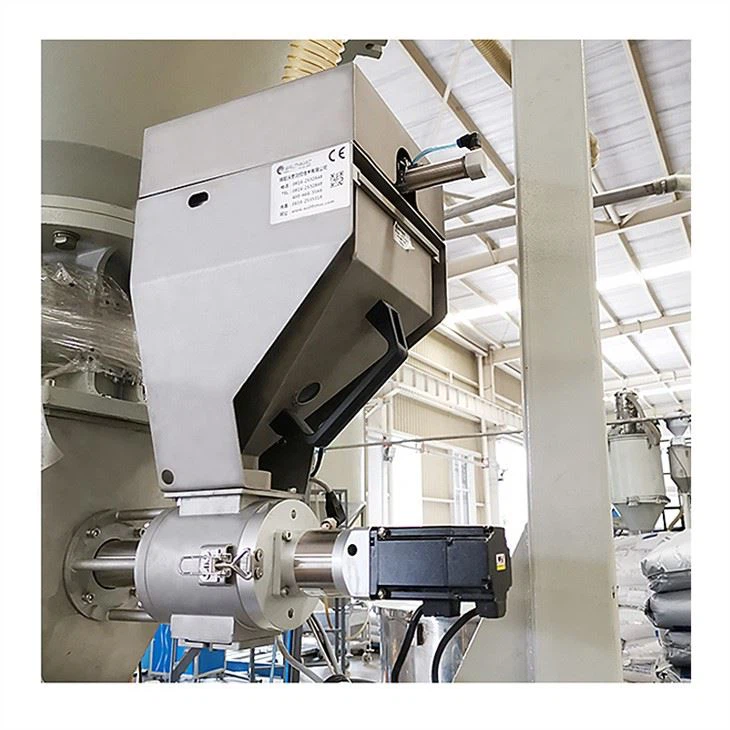

the Loss-in-Weight feeder Control System is a powerful tool that can help businesses achieve greater efficiency, accuracy, and cost savings in their extrusion processes. By automating material usage control and optimizing raw material consumption, the system offers a positive and proactive approach to industrial process management, paving the way for increased profitability and success.
Automation of material usage control for all extrusion processes.
This means that the Loss-in-Weight feeder Control system can accurately measure and dispense raw materials, eliminating the need for manual intervention and reducing human errors. As a result, the process becomes more efficient and less prone to mistakes, leading to higher productivity and quality output.
The Loss-in-Weight feeder Control System is its quick return on investment (ROI) – typically within six months.
By optimizing material usage, the system helps to reduce waste and minimize raw material costs, resulting in significant savings for businesses. the system can help achieve raw material savings of up to 10%, which can translate to substantial financial benefits for industrial operations of all sizes.
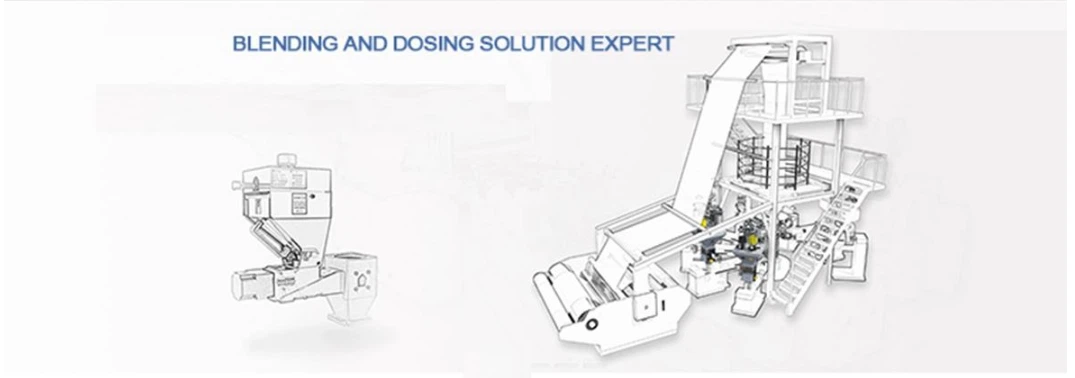
Loss-in-Weight feeder Control System Model and Parameter
| Model | Throughput(L/H) | Dimensions Size/mm |
| GD-D-20 | 0.05-1.2 | 700*280*710 |
| GD-D-25 | 0.1-3 | 700*280*710 |
| GD-D-30 | 0.2-5 | 700*280*710 |
| GD-D-35 | 0.4-10 | 700*280*710 |
| GD-D-40 | 0.6-15 | 700*280*710 |
| GD-D-45 | 1-25 | 700*280*710 |
| GD-D-55 | 3-40 | 700*280*710 |
The Loss-in-Weight feeder Control System--The plastic production line is customized according to the plastic production needs of the enterprise
Products advantage
Loss-in-Weight feeder Control System is an efficient and accurate proportioning control system. The system uses a patented data processing unit with the following advantages:
1. High-precision Control: Loss-in-Weight feeder Control System adopts high-precision sensors and control algorithms, which can accurately control the supply of materials and meet the requirements of different production processes.
2. High efficiency and energy saving: The system adopts efficient energy saving measures, and minimizes energy consumption and improves production efficiency by precisely controlling the supply of materials.
3. Simple and convenient operation: Loss-in-Weight feeder Control System is simple in design, easy to operate, and can be quickly used. The system also has automatic detection and fault alarm function, which is convenient for users to maintain and manage.
4. A variety of parameters adjustable: the system provides a variety of parameters adjustable, users can be set according to different process requirements, to achieve better batching effect.
Products Detail
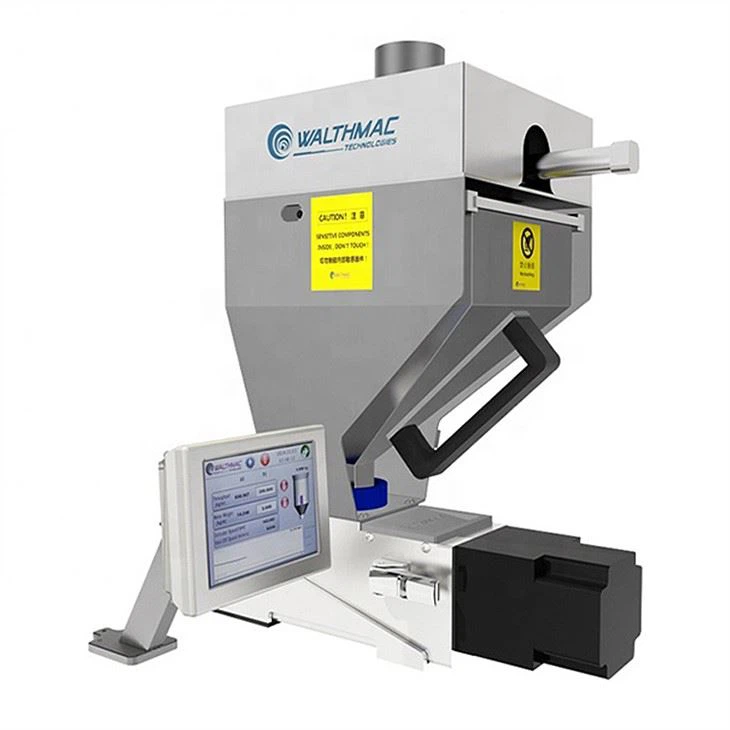
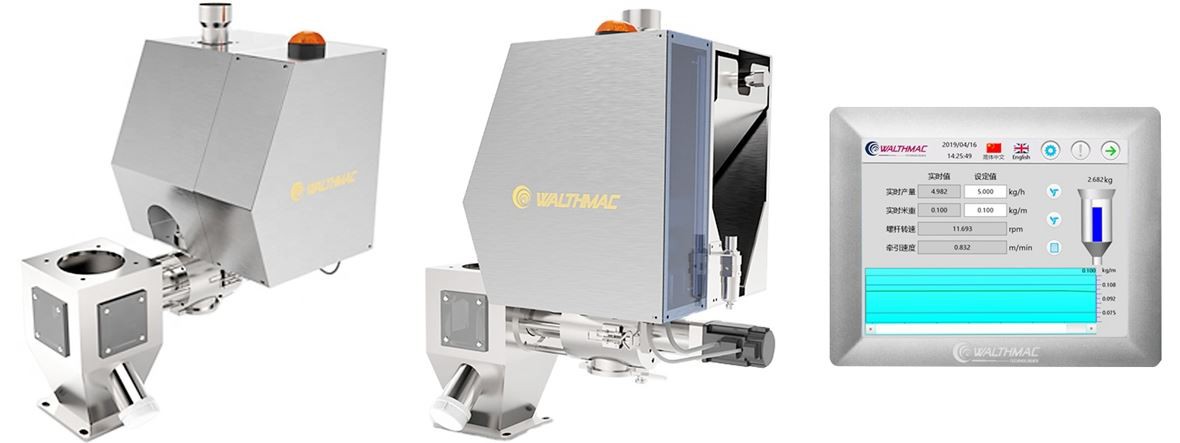
Walthmac self-developed control system with friendly HMI
The Walthmac GD Loss-in-Weight feeder Control System is its self-developed control system, which is programmed to deliver optimal performance with minimal intervention from the user. The control system interface features a friendly HMI (Human Machine Interface), designed to simplify the operational process. This means that operators can quickly and intuitively adjust settings, set targets, and monitor performance metrics on the fly. Such user-friendly features help improve productivity, reduce downtime, and minimize the need for operator training.
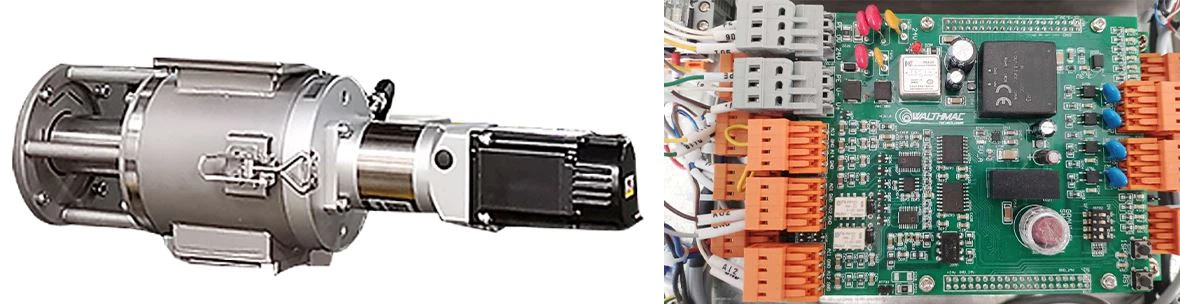
2. Paten mechanical part:
3. Patent data processing unit.

faq
1. What is a Loss-in-Weight (LIW) feeder control system?
A Loss-in-Weight (LIW) feeder control system is a type of feeding system that measures and controls the precise amount of material that is fed into a process over a given period of time. The LIW feeder control system typically consists of a hopper, feeder, load cells, and a control system that regulates the rate at which the material is dispensed.
2. What is the principle behind the LIW feeder control system?
The principle behind the LIW feeder control system is based on the concept of gravimetric feeding, which involves measuring the weight of the material as it is dispensed from the hopper. As the material is fed, the system continuously measures the weight of the remaining material in the hopper and adjusts the feed rate accordingly to maintain a consistent output.
3. How accurate is the LIW feeder control system?
The LIW feeder control system is highly accurate, typically achieving accuracy of within 0.5% of the target feed rate. The LIW hopper is suspended on a pair of highly accurate load cells, which are sized according to the throughput. This ensures that the system accurately measures the weight of the material and adjusts the feed rate accordingly to maintain consistent output.
4. What are the benefits of using the LIW feeder control system?
The benefits of using the LIW feeder control system include high accuracy, consistent output, and efficient use of materials. The precise control of the feed rate ensures that the process is consistently fed the required amount of material, reducing waste and increasing production efficiency. Additionally, the system can be fully automated, freeing up operator time for other tasks.
5. Are there any disadvantages to using the LIW feeder control system?
There are very few disadvantages to using the LIW feeder control system. However, it may not be suitable for certain materials that are difficult to handle or require special handling equipment. Additionally, the initial cost of the system may be higher compared to other feeding systems, but this is typically offset by the increased efficiency and productivity gains.
Hot Tags: Loss-in-Weight feeder Control System, China, manufacturers, factory, customized, price, discount, quotation